Introduction
Moving can be a stressful moving companies and overwhelming experience, but it doesn't have to be. With the right approach and mindset it is possible to reduce the stress and make it easier to manage. In this guide, we will explore the minimalist's perspective on packing up for a move. By adopting minimalist principles, you can declutter your belongings, streamline your packing process, and create a more efficient and stress-free moving experience.
The Benefits of Minimalism in Packing
Minimalism is not just about owning fewer things; it's a lifestyle that focuses on intentionality and mindfulness. When it comes to packing up for a move, minimalism offers several benefits:
Less Clutter: Minimalism helps you declutter your belongings before the move, reducing the number of items you need to pack and unpack.
Easy Decision-Making: By embracing minimalism, you'll learn to let go of unnecessary items, making it easier to decide what to keep and what to leave behind.
Efficient Packing: With fewer belongings, you can pack more efficiently and save time during the packing process.
Stress Reduction: A minimalist approach eliminates the overwhelm that often comes with moving, allowing you to focus on what truly matters.
Cost Savings: Moving fewer items can save you money on packing supplies and transportation costs.
Now that we understand the benefits of minimalism in packing let's dive into the practical steps of applying these principles during a move.
Step 1: Assess Your Belongings
Before starting the packing process, take inventory of all your belongings. This can help you identify which items are necessary and which should be discarded. Ask yourself:
Do I use this item regularly? Does this item hold sentimental value? Can I easily replace this item if needed?By answering these questions honestly, you'll be able to identify the items that truly add value to your Homepage life and those that can be donated, sold, or discarded.
Step 2: Categorize Your Items
Once you've assessed your belongings, it's time to categorize them. Set up different categories, such as "keep," "sell," "donate," and "discard." This will help you stay organized and make decisions more efficiently.
Keep: These are the items you want to take with you to your new home. Ensure they align with your minimalist lifestyle and serve a purpose.
Sell: If you have items in good condition that you no longer need, consider selling them. Online marketplaces and local classifieds can help you find potential buyers.
Donate: Items that are still usable but no longer serve a purpose for you can be donated to charitable organizations or individuals in need.
Discard: Broken or damaged items should be discarded responsibly. Check with your local waste management facilities for proper disposal methods.
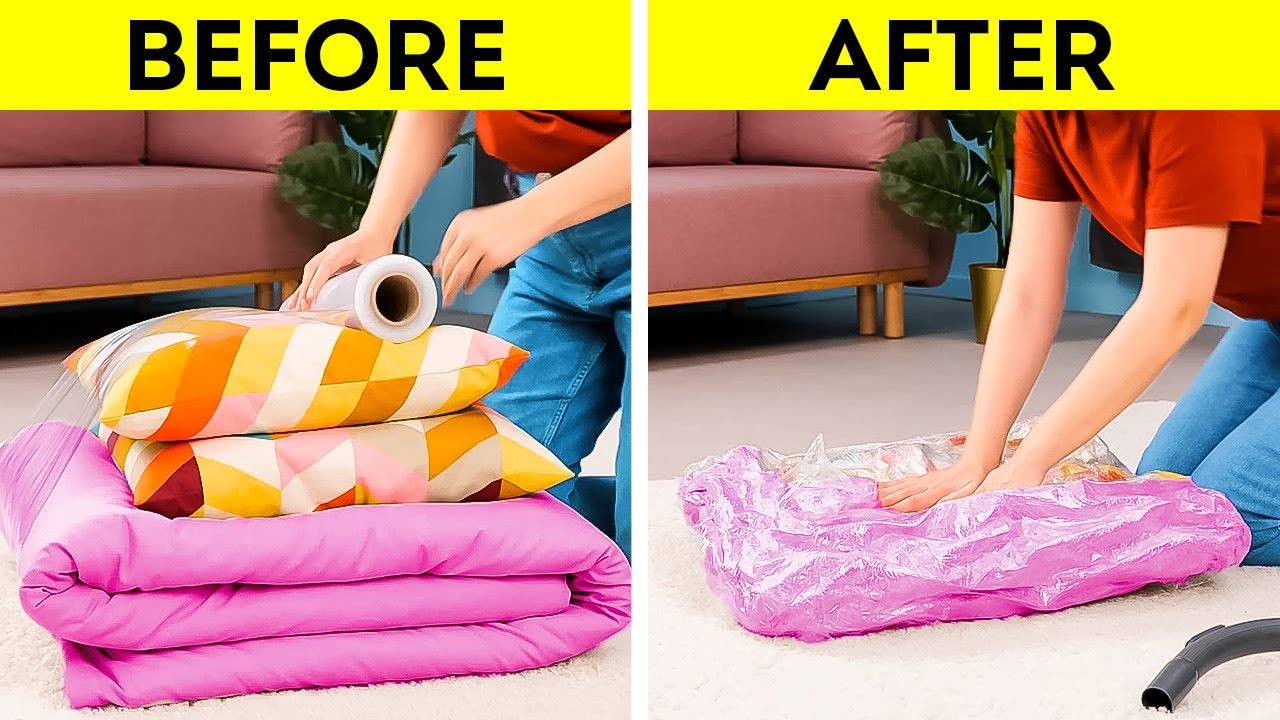
Step 3: Packing Essentials Only
When it comes to packing for a move, it's important to focus on the essentials. Here are some tips:
Clothing: Only pack clothing that you regularly wear and love. Consider donating or selling items that no longer fit or reflect your style.
Kitchenware: Keep only the necessary kitchen utensils, dishes, and appliances that you use frequently.
Furniture: Evaluate each piece of furniture and decide if it serves a purpose in your new home. Let go of bulky or outdated pieces that don't align with your minimalistic aesthetic.
Sentimental Items: While sentimental items hold emotional value, consider whether they add practical value to your life as well. Choose carefully which ones to keep and display in your new space.
FAQs about Minimalist Packing
Q: How do I let go of sentimental items? A: Remember that your memories remain within you and not in physical items. Take photos of sentimental items for a visual reminder and let them go with gratitude.
Q: Can I still have personal style in a minimalist home? A: Absolutely! It's not about sacrificing your individual style. Focus on quality over quantity and curate a collection of items that truly reflect your aesthetic.
Q: Should I get rid of everything before moving? A: It's contingent upon your objectives and personal preferences. While minimalism encourages decluttering, it's important to strike a balance between letting go of unnecessary items and ensuring you have what you need in your new home.
Q: How can I make packing more efficient? A: Start early, create a packing schedule, label boxes clearly, and use organization tools such as packing cubes or color-coded labels.
Q: What should I do with items I can't sell or donate? A: Look into recycling options for items which cannot be sold or donated. Research local recycling centers for proper disposal methods.
Q: How can I resist the temptation to accumulate more stuff after the move? A: Embrace mindful consumption, being mindful of the items you take into your home. Before purchasing something new, ask yourself if it aligns with your minimalist values and serves a purpose.
Conclusion
Packing up for a move doesn't Hop over to this website have to be overwhelming. If you are able to reduce your clutter and minimalism, you will be able to streamline your process, eliminate the amount of clutter and have an organized and less stressful moving experience. Remember to assess your belongings and categorize them efficiently make sure you only take the necessary items, and let go of unnecessary items. By adopting these minimalist principles, you'll not only make your move smoother but also set yourself up for a more intentional and clutter-free life in your new home.
So why wait? Start decluttering and packing immediately with this minimalist guide and experience a more streamlined and efficient moving process. Happy moving!